I Once Owned a Brewery... Life as a Brewmaster
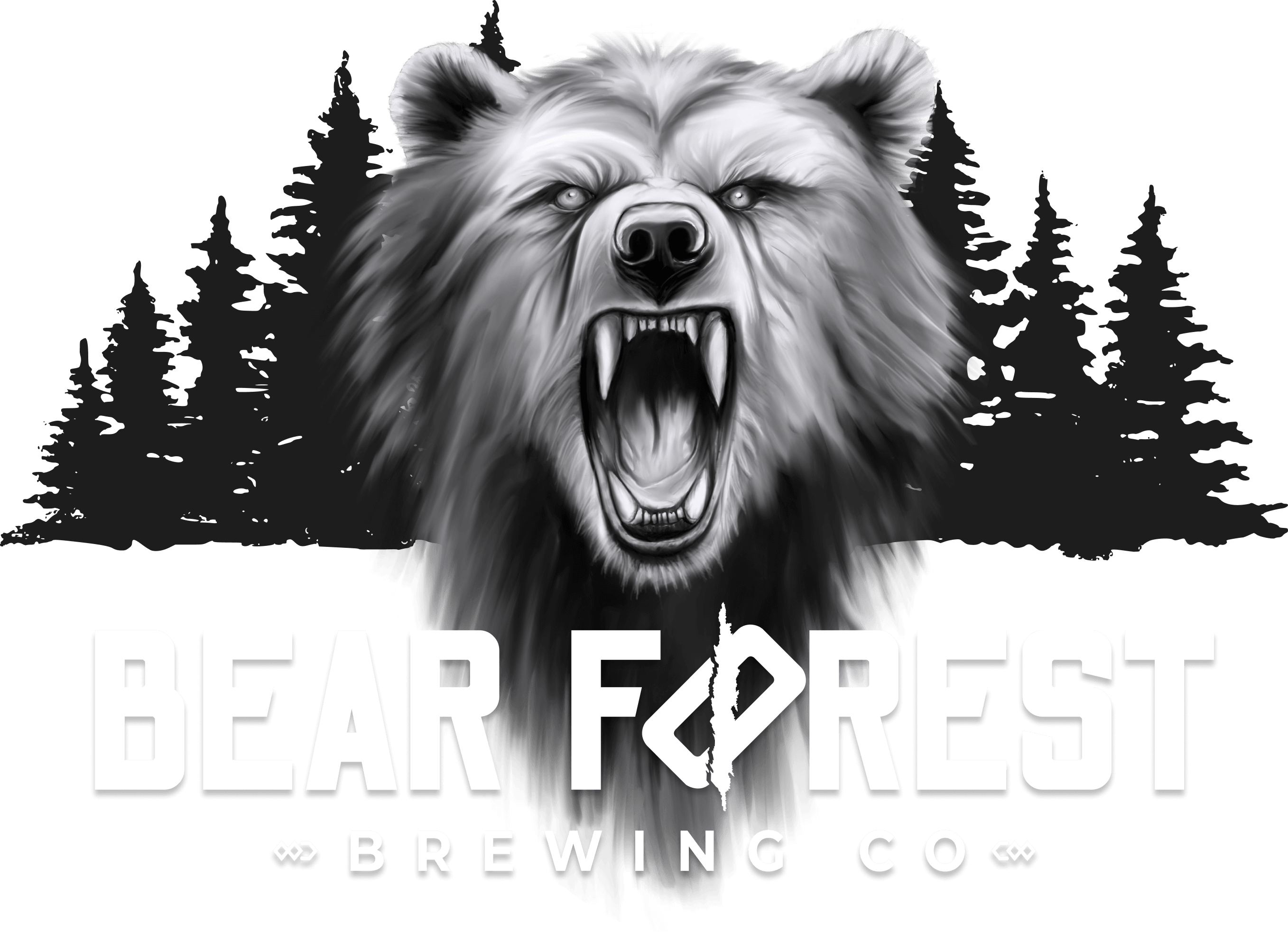
Some dreams are expensive. Mine cost me a lot of money, countless sleepless nights, and more lessons than any MBA could ever teach. For a brief, intense period of my life, I was a brewery owner and brewmaster.
The Dream
Craft beer was booming. Every week a new taproom opened. The math seemed simple: make good beer, people buy it, profit. I had the passion, some savings, and the naive confidence of someone who'd never run a business before.
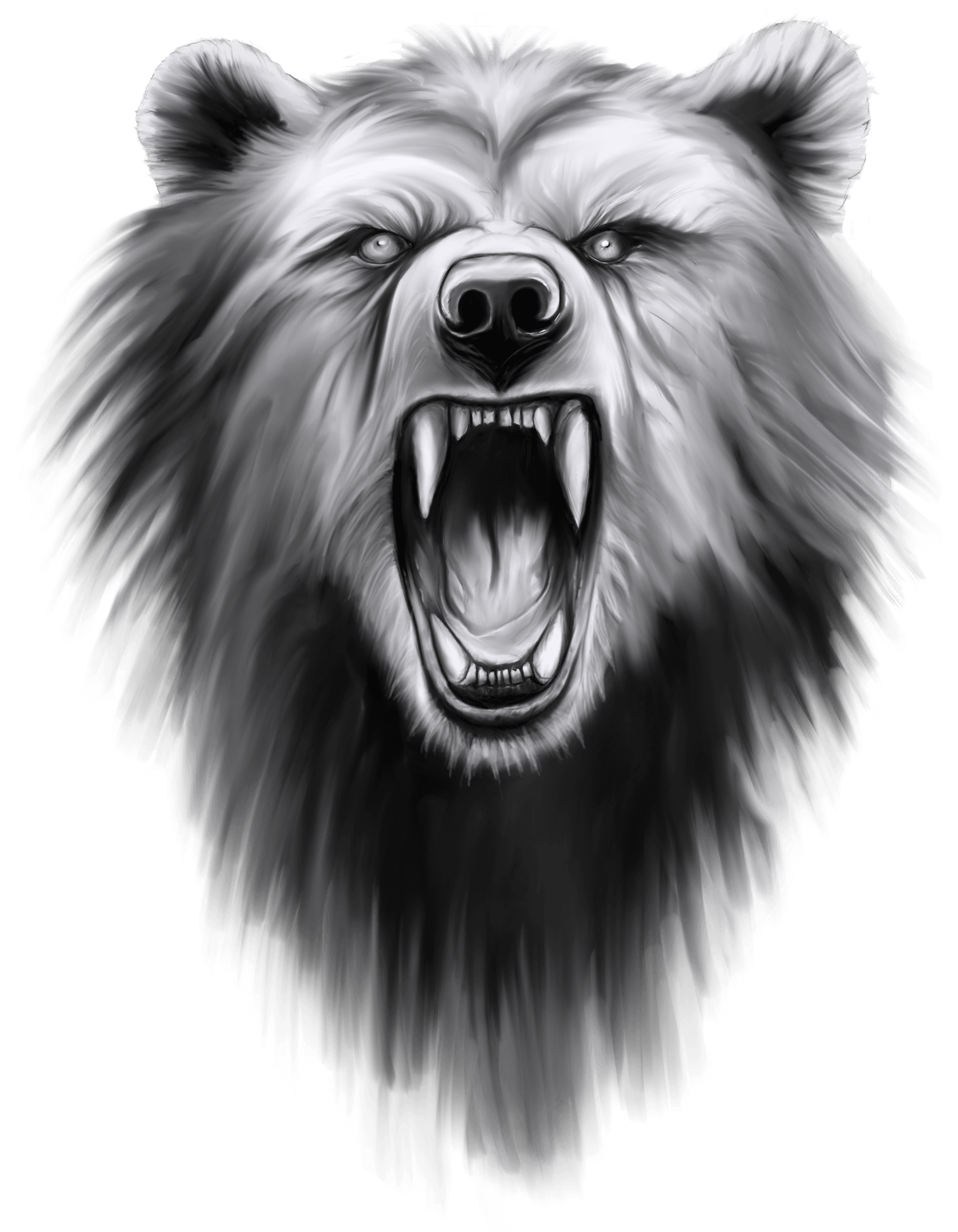
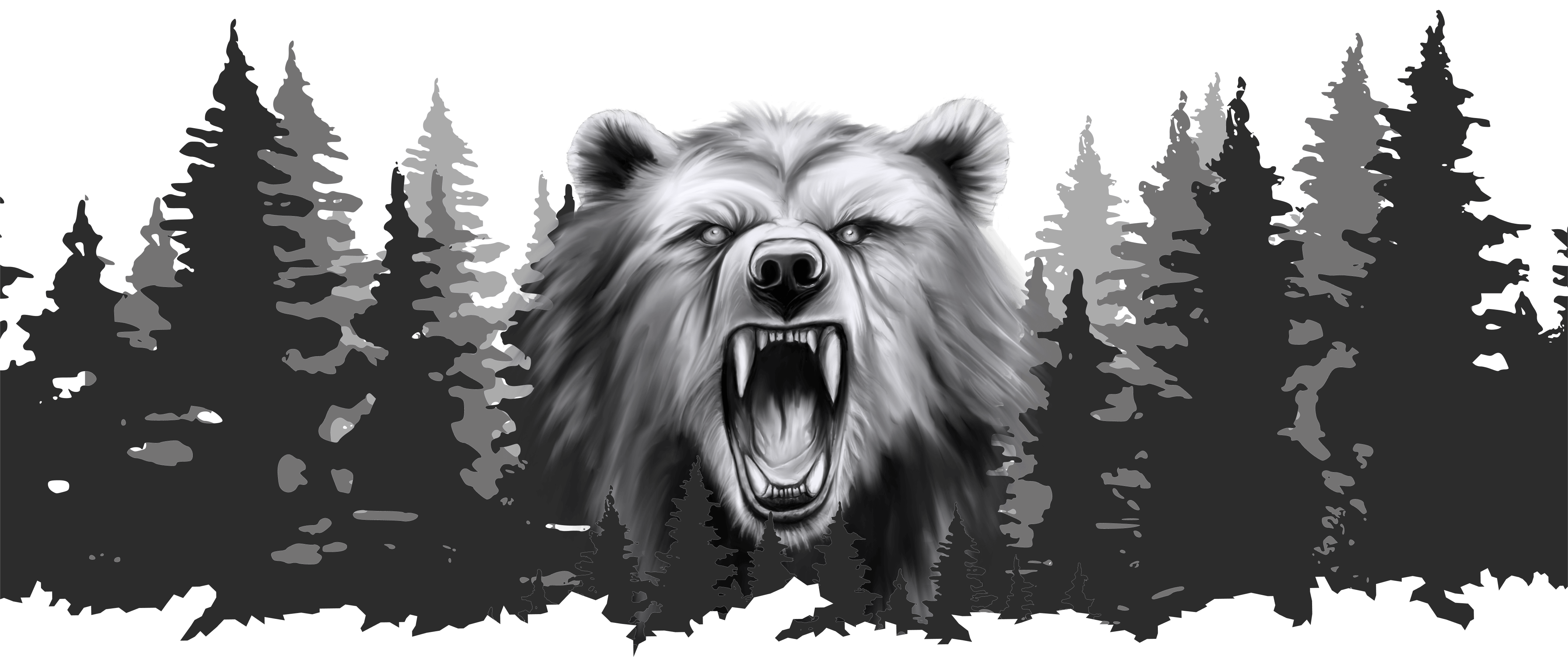
Bear Forest Brewing Company was born. The name came from the property where we first started experimenting with recipes a wooded lot where black bears occasionally wandered through. It felt right. Wild, natural, a little unpredictable. Everything craft beer should be.
Building the Brand
While my partners focused on equipment and recipes, I threw myself into what I knew best: the creative side. Every logo, every label, every pixel of the website I designed it all.
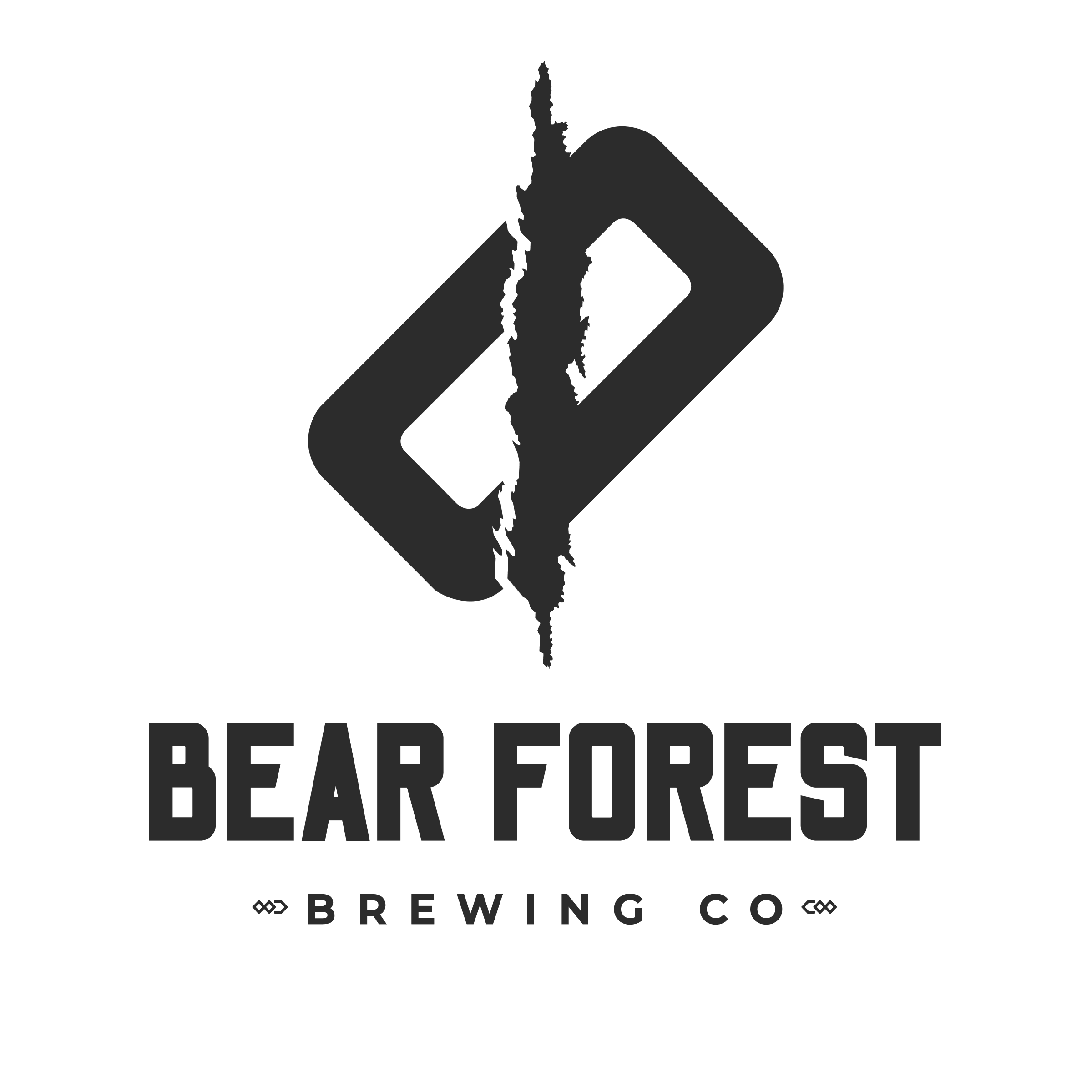
The bear became our identity. I must have drawn that bear a hundred times before getting it right. Fierce but approachable. Classic but modern. Something that would look as good on a pint glass as it would on a billboard.
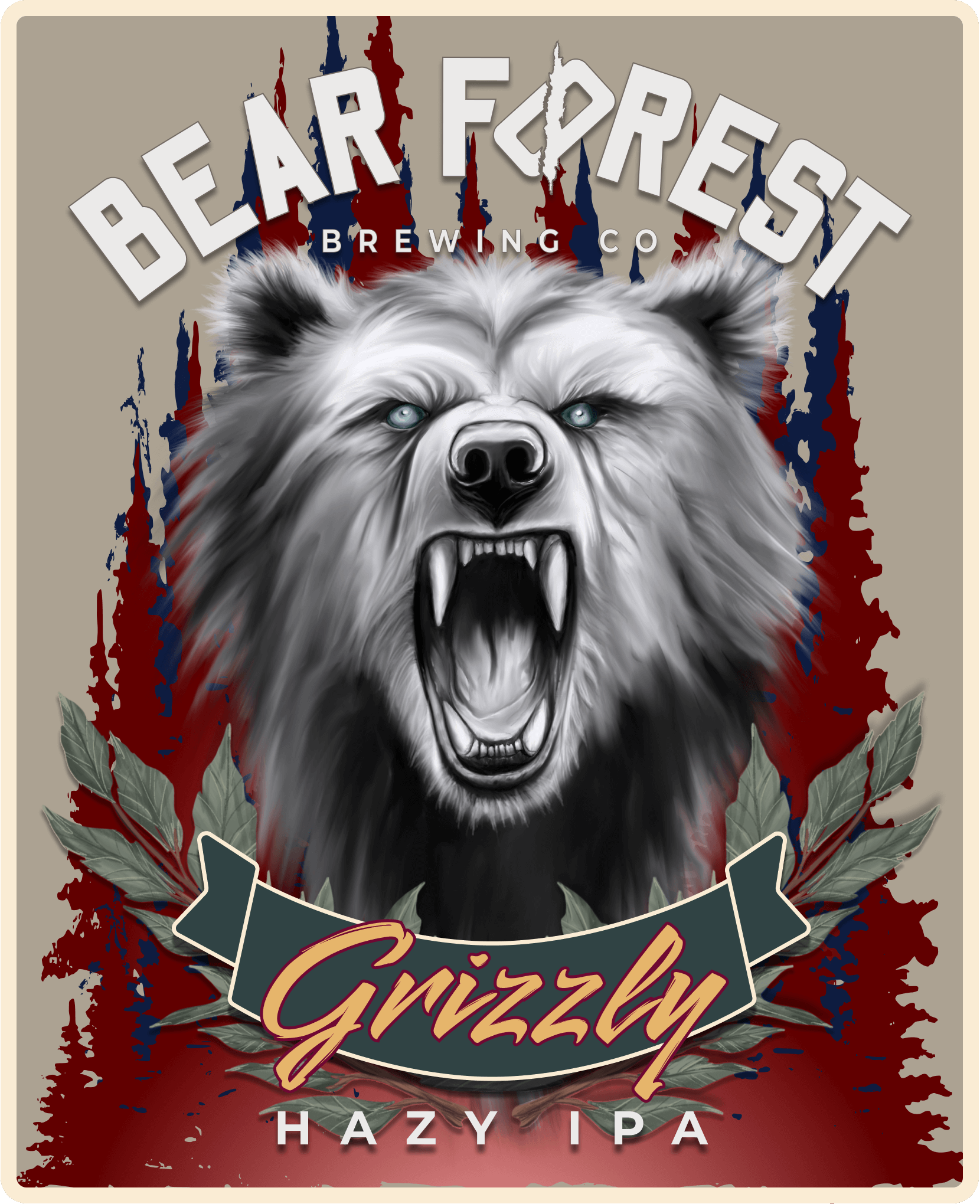
I built the website from scratch. Created menu boards, tap handles, merchandise designs, social media templates. The brand was cohesive, professional, and if I'm being honest probably the best work I've ever done under pressure.
The Reality
Here's what nobody tells you about owning a brewery:
The margins are brutal. Ingredients, equipment, licensing, rent, utilities, insurance, employees, taxes. By the time you price a pint to cover costs, you're competing with breweries that have been amortizing equipment for a decade.
Distribution is a nightmare. Getting your beer into bars and stores means navigating a system designed in the 1930s. Three-tier distribution laws. Territory agreements. Shelf space politics. It's not about the best beer winning it's about relationships, timing, and deep pockets.
Equipment breaks constantly. Glycol chillers fail at 2 AM. Pumps clog. Fermenters develop leaks. Every problem is expensive and urgent.
The hours are insane. Brewing starts early. Cleaning takes forever. Events run late. Paperwork never ends. The romantic image of a brewmaster thoughtfully tasting samples? Maybe five minutes of your day, if you're lucky.
The Losses
I won't sugarcoat it: we lost money. A lot of money.
Some of it was bad luck a major event cancelled, a key distributor relationship that fell through, equipment failures at the worst possible times.
Some of it was inexperience. We underestimated costs, overestimated demand, and learned that passion doesn't automatically translate to profit.
The business lasted about a year. And then everything collapsed at once I was made redundant from my developer job, the safety net vanished, and suddenly the brewery wasn't a passion project anymore. It was debt. A lot of debt. When we finally closed the books, the red ink was significant. Savings gone. Credit stretched. Lessons expensive.
The Learnings
But here's the thing about failure: it's an incredible teacher.
I understand where every dollar goes and why some businesses survive while others don't.
I learned that marketing matters as much as product. We had great beer. So did a hundred other breweries. The ones that survived knew how to tell their story.
I learned about people. Partners, customers, vendors. Running a business is ultimately about relationships, and I got better at navigating all of them.
I learned my limits. Sleep deprivation, financial stress, the weight of responsibility for other people's livelihoods. I know now what I can handle and what breaks me.
I learned that failure isn't final. The brewery closed, but I didn't. The skills I developed design, marketing, business operations, problem-solving under pressure carried forward into everything I've done since.
What Remains
The brewery is gone. The equipment sold off. The leases terminated. The LLC dissolved.
But the brand lives on in my portfolio. Those logos, that website, those designs they represent some of my best creative work. Born from necessity, refined under pressure, and polished with the kind of attention you only give to something you truly own.
Sometimes I still sketch bears. The muscle memory is there. Three curved lines for the snout, two triangles for the ears, that particular angle of the jaw that took so long to get right.
Would I do it again? Probably not. The financial risk, the stress, the all-consuming nature of it I'm not sure I have another brewery in me.
But I'm glad I did it once. The person who emerged from that experience is sharper, more resilient, and more realistic about what it takes to build something from nothing.
Some lessons you can only learn by losing. Bear Forest taught me plenty of those.
And the beer? The beer was actually pretty damn good.